
How Medical Cannabis Can Help with PTSD
Post-Traumatic Stress Disorder (PTSD) is a mental health condition triggered by experiencing or witnessing traumatic events. Those affected often suffer from severe anxiety, flashbacks, and heightened stress responses. Recently, the use of medical cannabis has emerged as a potential treatment for alleviating some of the debilitating symptoms of PTSD. By understanding how medical cannabis interacts with the body, we can better appreciate its potential benefits for those grappling with this disorder.
Chemical Analysis
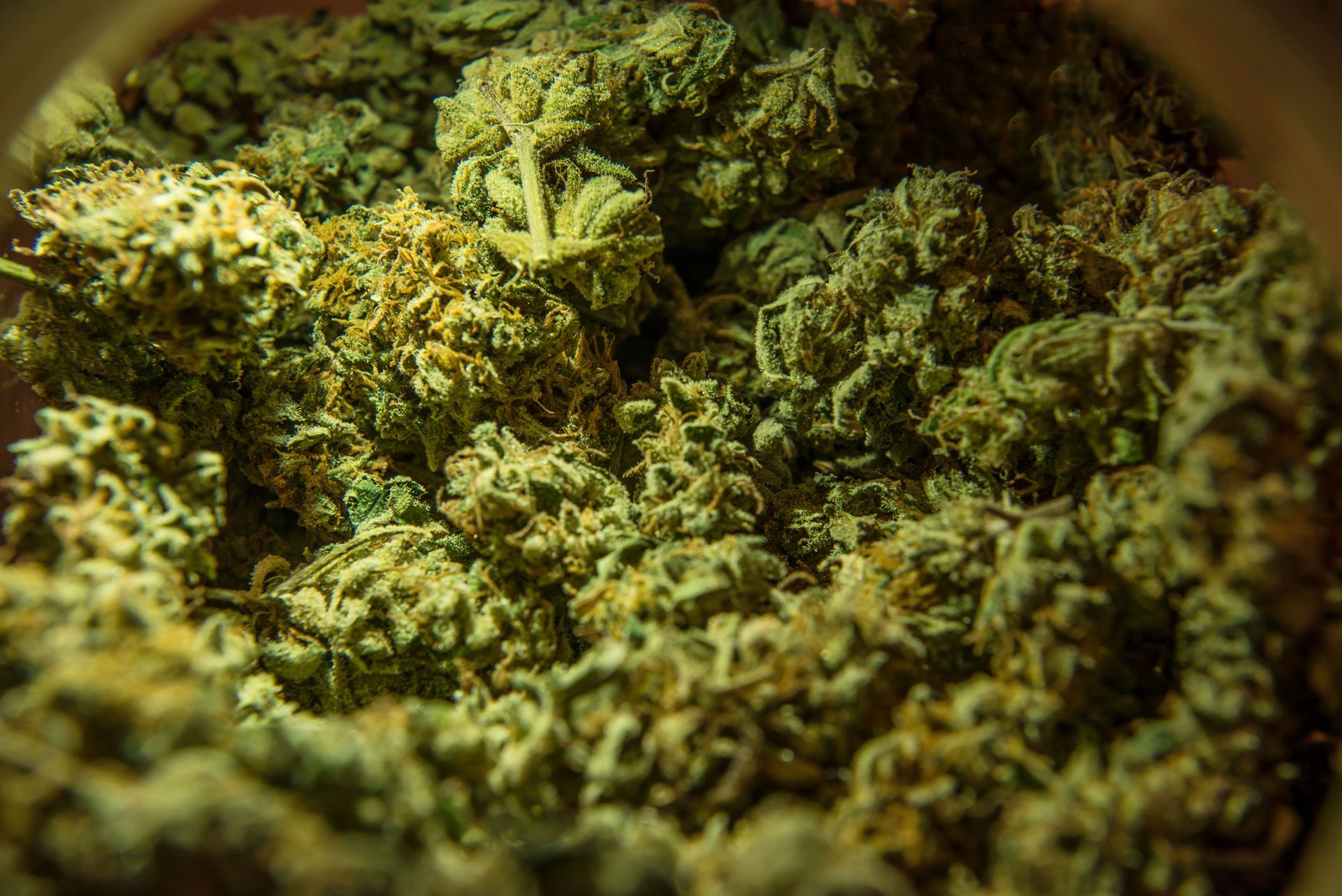
Research indicates that cannabis can play a role in reducing anxiety and improving sleep, which are common symptoms associated with PTSD. The compounds known as cannabinoids found in cannabis, particularly cannabidiol (CBD) and tetrahydrocannabinol (THC), potentially interact with the endocannabinoid system in the body to promote a sense of calm and relaxation. This can be especially beneficial for PTSD sufferers who face chronic anxiety and insomnia. By modulating the way stress is perceived and processed, marijuana doctors prescribe cannabis as a reprieve from relentless anxiety and enable better management of PTSD symptoms.
Societal Approval
Moreover, the increased societal acceptance for medical cannabis is opening new doors for those in need of PTSD interventions. According to the Pew Research Center, 72% of adults under thirty years old support both medical and recreational legalization of marijuana. This evolving public perception is crucial, as it propels further research and policy changes that enhance access and understanding of cannabis as a legitimate therapeutic option. As awareness grows, more individuals and healthcare providers are considering cannabis as part of a comprehensive treatment plan for PTSD.
Responsible Usage
Despite its promising potential, it is imperative for individuals to approach cannabis use with caution and under professional guidance. Each patient responds differently, and factors such as dosage, form, and individual health conditions must be considered to optimize outcomes and avoid adverse effects. Further research is necessary to address outstanding questions regarding long-term use and efficacy. It is also important to acknowledge that cannabis should complement, rather than replace, other treatment modalities like therapy and medication.
Medical cannabis presents a promising avenue in the management of PTSD symptoms; however, further research is essential, and individuals should remain informed and cautious while exploring cannabis as a therapeutic option. As our understanding evolves, so too does the potential to transform the lives of those battling PTSD. If you're considering learning how marijuana doctors can help you, reach out to Relief Clinic LLC today.




Share On: